BMW’s New Electric Motorcycle Concept Looks More Street-Ready Than Ever

Like many luxury marques, BMW is committing to our electric future—and not just with high-design car concepts.

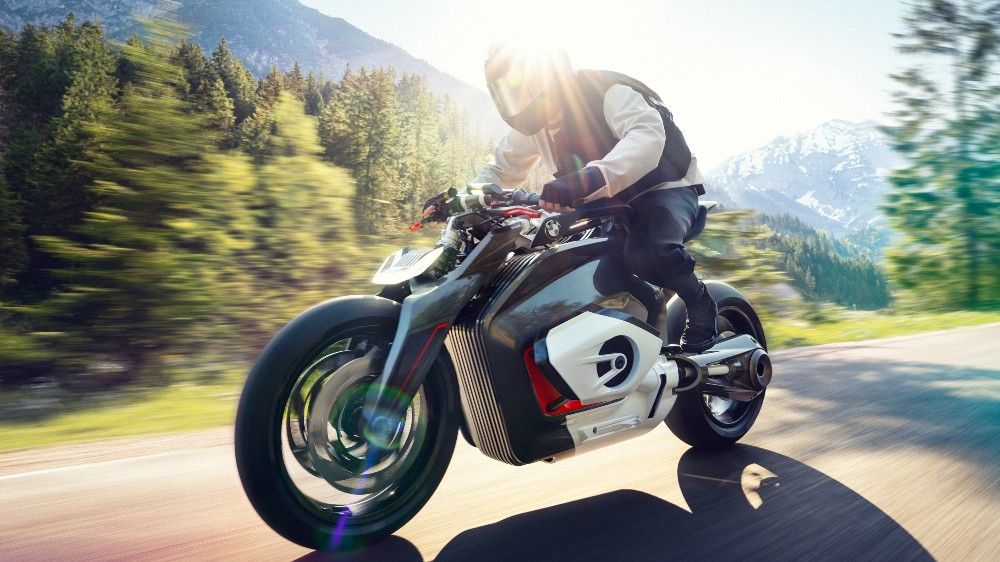
On Tuesday, the Bavarian automaker’s motorcycle division, BMW Motorrad, revealed an its latest electric bike concept, the Vision DC Roadster, at its NEXTGen event in Munich, according to CNET. While no performance specs were made available, the bike, which looks as street ready as any of the company’s previous attempts, offers a striking hint of what an actual consumer electric motorcycle from the company would actually look like.

Like any good BMW concept, the Vision DC Roadster has plenty of style to spare. But as sleek as the black-and-white bike may be, it’s significantly toned down compared to the company’s recent concepts—in particular, the Vision Motorrad Next 100. While there are still some daring design touches, like the the exposed universal shaft and the Duolever fork, the company has mainly drawn inspiration from its 95-year history to produce a bike that will turn heads without looking out of place on the highway.

“The Vision Bike shows how we’re able to retain the identity and iconic appearance of BMW Motorrad in distinctive form while at the same time presenting an exciting new type of riding pleasure,” BMW Motorrad Head of Design Edgar Heinrich said in a press release.

You don’t need to look any further than the Vision DC Roadster’s engine for proof of that ethos. Since electric engines are much more compact than their gas-powered counterparts, BMW Moterrad maintained the look of its trademark “boxer” engine by placing the bike’s large vertically fitted battery atop the smaller, cylindrical motor. And from there, two side elements protruding with cooling ribs and integrated ventilators make sure the bike isn’t at risk of overheating.

The BMW Motorrad Vision DC Roadster concept bike

The BMW Motorrad Vision DC Roadster concept bike  BMW

While BMW was quick to say there are no plans to release the Vision DC Roadster, which it calls “a highly emotional naked bike with electric drive,” it’s seems pretty clear that the underlying building blocks from the concept will make their way into a production motorcycle at some point. Either way, with the bike and the company’s other recent car concept, the Vision M Next, the future’s looking bright for fans of the Ultimate Driving Machine—and the environment.
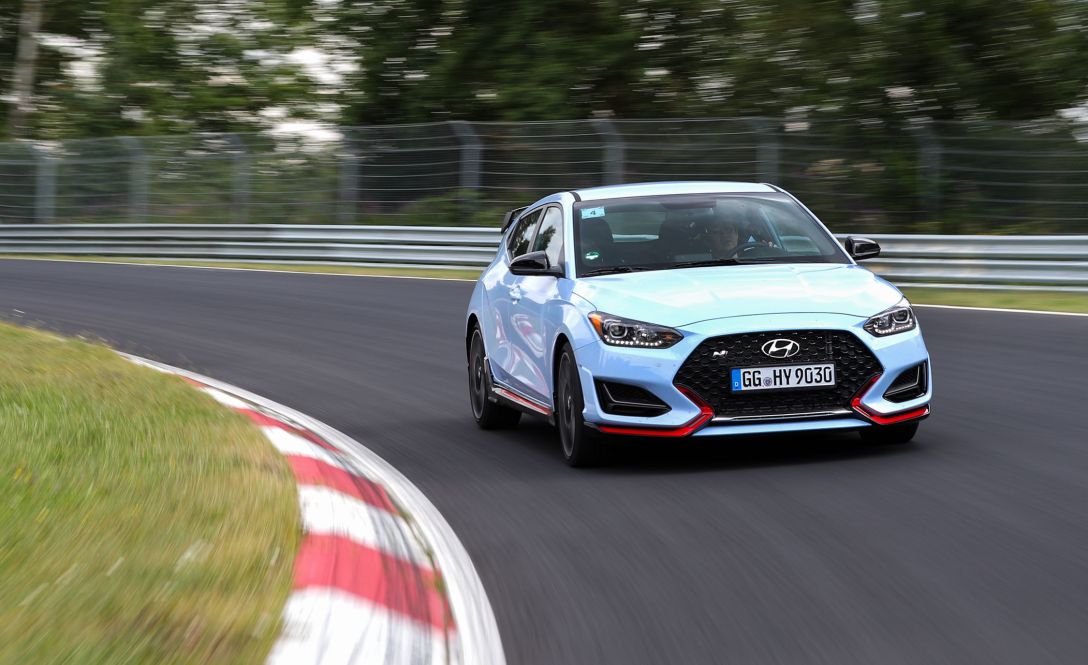
Hyundai Veloster N TCR racecar can be yours for $155,000

Simply selling cars through advertisements just doesn’t cut it these days. It seems as if just about every automaker is getting involved with motor sports in order to portray the performance and potential of their cars, and customer racing programs are offered by just about every brand. Hyundai too, has decided to roll the dice and see how they’re cars can perform out on the track, and indeed they’ve performed exceptionally.

2019-hyundai-veloster-n-placement-1532360915

Bryan Herta Motorsport is a racing outfit that participates in the Indy500 and IndyCar as well as the TCR championship. In the 2018 Pirelli World Challenge TCR class, Bryan Herta Racing topped the charts for both, the team, and manufacture championships in their Hyundai i30 N TCR. After gaining confidence in their crew and car, Hyundai has announced that they will now step-up their game a notch by offering a new car, the Hyundai Veloster N TCR to customers and privateers for the upcoming 2019 IMSA Michelin Pilot Challenge. Bryan Herta Racing will also be using the same car for future championships.

“We’re absolutely thrilled to have Bryan Herta Autosport back with us, racing the new Veloster N TCR at America’s most fabled racing circuits in the IMSA MICHELIN Pilot Challenge,” said Dean Evans, Hyundai Motor America’s Chief Marketing Officer. Hyundai certainly seems confident in racing their new upcoming car. In addition to their achievements from 2018 seasons, Hyundai also promises to support customers and privateers with all they can on purchasing the $155,000 Veloster N TCR as an assurance to owners. The Veloster N TCR will be designed and developed by the Hyundai Motorsport Customer Racing Team, the same team that developed the championship-winning i30 N TCR. The Veloster N TCR will share 85% of its characteristics with the 2018 champion. The engine will remain the same 2.0 liter V4, churning out 350 horses and 450Nm of torque. The South Korean beast will be built at the Hyundai Motorsport Headquarters in Alzenau, Germany and although the car can be delivered globally, deliveries will be prioritized to the countries which offer the Veloster N road car.

2019-hyundai-veloster-n-112-1532359233

Both, the i30 N TCR and the Veloster N TCR are fully approved and sanctioned by TCR officials to participate in the upcoming 2019 IMSA MICHELIN Pilot Challenge Season, which will run for a total of 10 rounds all over North America. The $155,000 price tag may seem quite a decent value on the surface, however, it will only buy the customer the Veloster N TCR race-car while running and maintenance costs during the season will be exclusive.

“Chapter Two is going to be exciting, we learned so much by racing and winning with the i30 N TCR last season. We know just how excellent the platform is in hard competition” said Bryan Herta, president and CEO of Bryan Herta Autosport. The first round of the 2019 championship will kick off on the 25thof January at the Daytona International Speedway. Certainly, Hyundai customers must be very confident when investing in the new car due to the backing of Hyundai engineers and a word of assurance by Bryan Herta, who, not to mention is a former IndyCar racer.

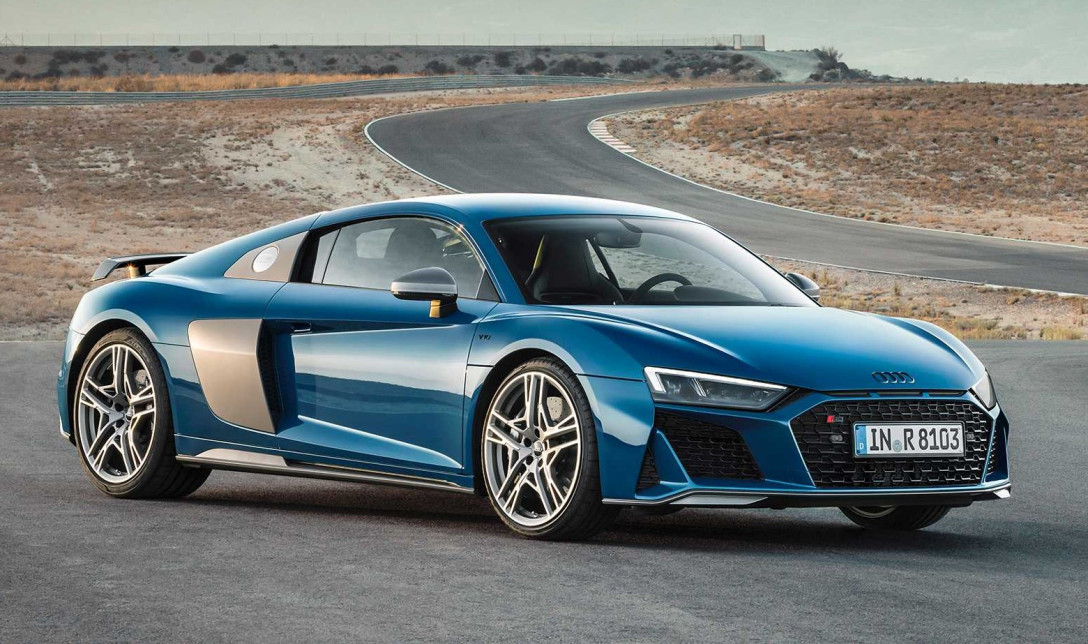
2019 Audi R8: Worth the new change?

A V10 engine, practical, quick, and an exhaust system that sounds like music to the ears. These are the characteristics that define an Audi R8. It hasn’t been that long since Audi last updated the R8 design, and looking over the past transitions the R8 has undergone, one thing is certain: The design only keeps getting sharper and crispier. However, can the same be said for the new 2018 R8? As the saying goes, too much of something can never be good. However, don’t take my word for it since the major changes on the new R8 lie in its design and design, as we know, is highly subjective.

2019-Audi-R8-Coupe

This is one of those cars that needs to be pictured in a specific angle in order to look like what it possibly would look like in flesh. Most cars don’t necessarily look the same as do in the pictures, rather they look a lot better in real, the Aston Martin Vantage being one example. However, as for this R8 there are certainly mixed emotions. Audi hasn’t exactly revised the entire design, they have mostly worked on the front bumper, and bits and pieces of the rear diffuser.

Let’s start off by talking about that front end. The grille is now wider, the air vents below the headlamps are more edgy and aggressive doing a great job at enhancing the character of the R8. Perhaps the one thing that bothers me when I lay my eyes on it is how it looks like a render done by some designer mashed into the R8, and that’s because the only visible change is in the front. This leads to the car just not looking right. What I see is the previous generation R8 with a front-end I’m not used to seeing, and that makes me uncomfortable.

audi-r8-2018-307

I’d say the same goes for the rear-end too. The only concrete difference at the back of the car is the bulkier diffuser around the exhaust tips, and on that note, the size of that exhaust is very satisfying indeed. Still, just as the case is with the front-end, the rear just doesn’t fit right in with the revised design. Sure, it looks decent and I’m sure this will grow on me as time passes, by no means is it a bad design, just one that I’m not used to because of the addition of the bulky aero kits to the car. So the verdict would be that the R8 looks great, but will take some time for me, and perhaps other to get used to as well. However, what really bothers me is the drop-top version of the updated R8.

a1812858-large-1540335369

When looking at the R8 with its top down, the one thing that seems to be missing is the constant flow of design from the front to the back. The front looks low and bulky, the sides looking like the typical R8, and then there’s the bulge behind the driver’s seat. A design like that simply doesn’t gel well with a convertible. In my opinion, the R8 with it’s top down is a proper lifestyle car. It isn’t something you’d take to the track, nor is it anything you’d go drag racing in with a couple of friends. This is the kinda car you wanna drive along the Pacific Coast Highway, top down, with your significant other, accompanied by the smooth sounding hum of the v10 engine.

The revised R8 Spyder however, looks more like a track weapon, and it obviously makes no sense to take a soft top to the track. The car simply looks too aggressive for a convertible. Now, putting that aside it is possible that the revised R8 Spyder can actually turnout to be a success. That’s because there are people for whom convertibles should be fast and aggressive, perhaps for the enthusiast who wants to have a proper aggressive looking car, but can also slow down every now and then and drop the top for a cruise in the mountains. For something like that, the R8 Spyder might just pass off as an amazing convertible.

audi_r8_spider_rear

Coming to the back of the R8 Spyder, I can’t complain about just how good this looks with the top up. The gloss black accents, those wide, edgy fenders and that black top somehow just go well together. It’s quite rare to come across a soft top that actually looks good even with the top up. Well, to sign off, I’ll leave you with this: The R8 looks quite decent, however I am unsure as to whether the extra aero bits are overdone or not. As for the Spyder, let’s just say that this one can possibly give rise to a new type of market for enthusiasts.

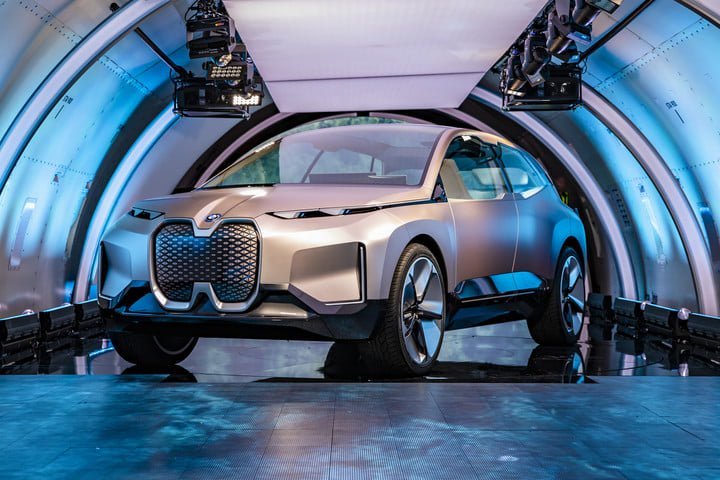
We get up close with the Vision iNext concept to learn about BMW’s future

BMW

By now, you’ve probably seen the BMW Vision iNext concept following a photo leak before its official debut. The time has come to share details about why exactly the Vision iNext exists.

BMW made its plan quite plain and simple. The company is putting all of its efforts forward, pushing beyond its own boundaries in an ambitious attempt to become the next biggest thing in the automotive industry. It’s moving towards mass-market electric vehicles and plug-in hybrid electric vehicles.

To do that, you need cars to sell. And before you make cars to sell, like any entity in the business of selling goods, you have to test the market to see if your ambitions are going to work with the buying public. And that’s exactly what the Vision iNext is in BMW’s case: to test the waters.

BMW Vision iNext
BMW Vision iNext
getting up close and personal with bmws vision inext bmw announced 29461
BMW Vision iNext

BMW

Back in 2011, BMW introduced what we know as its i sub-brand, the company’s division completely dedicated to sustainable mobility efforts, including the design and manufacturing of electric and plug-in hybrid electric vehicles. Basically, it’s BMW M’s eco-friendly alter ego.

Originally, it seemed like the days of the gas-powered BMWs we’ve come to love and cherish were coming to a dreadful end. However, with the production i3 and i8 vehicles, the company proved it can still harness its reputation for building the ultimate driving machines, but for the post-millennium. And so, it gave driving enthusiasts a bit of light at the end of the tunnel for what seems like the impending doom of the internal combustion engine.

“BMW i exists to generate creative, pioneering ideas which transform the way we think about mobility.”

“Ultimately, the BMW Vision iNext will add a new dimension to ‘sheer driving pleasure,’ because of course, driver orientation and driving still remains a part of our DNA,” said Klaus Frolich, BMW AG’s head of development, while introducing the iNext to journalists in the belly of the Lufthansa Cargo 777F at John F. Kennedy airport.

“Just to summarize, equipped with autonomous driving technology, next-level connectivity features, and an interior of the future, and of course, fully electric, the BMW Vision iNext will serve as an incubator. It’s a bold statement to demonstrate our company’s strengths in innovation. It will ensure BMW Group has everything in place to be successful in the market when competing with both old, and new players in the near- and far future.”

By Design

“BMW i exists to generate creative, pioneering ideas which transform the way we think about mobility,” said Adrian van Hooydonk, BMW Group’s senior vice president of design. “The BMW Vision iNext marks another big step on that journey of transformation, showing how more intelligent vehicles can make our lives easier and more beautiful.”

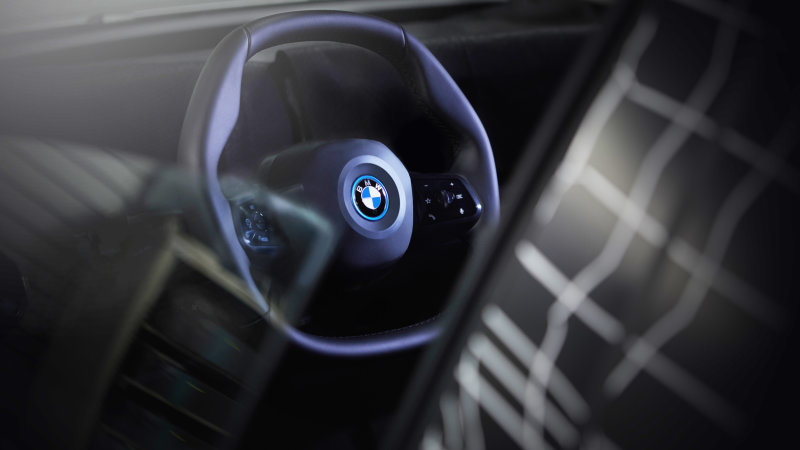
Look, it’s the BMW iNEXT steering wheel!

When production of the iNext begins in 2021, it will be BMW’s technology flagship. It’ll be an electric crossover with at least 372 miles of range and will be equipped with autonomous driving capabilities. Because the driver will have the luxury of choosing whether or not to drive, BMW wanted to create an interior that takes this into consideration. Part of BMW’s interior reimagination includes a newly shaped polygonal steering wheel, which was just unveiled for the first time.

BMW says it chose a polygon shape for its steering wheel, which was not seen in early spy shots, in part because it benefits switching between driving and allowing the autonomous systems to take control. The design’s contours, which BMW says were inspired by motorsports, are flat at the top and bottom and rounded at the corners. This not only allows for a comfortable place to rest the hands, but it makes it simpler to re-take control of the wheel, as explained here: 

As compared to a circular shape, this makes it much easier to recognize the steering angle based on the position of the steering wheel. The moment the driver re-takes control of the vehicle, they can detect the current steering angle instantly – both visually and by means of touch – so as to be able to continue travelling in the BMW iNEXT safely and supremely on the course already commenced.

The car will communicate with the driver to let them know when autonomous technology can be used. The side sections of the steering wheel have optical fibers that show different colored signals. These signals will alert the driver to the availability of “highly automated driving functions” or will tell the driver when active steering is needed. 

BMW also says the wheel design, particularly the flat bottom, is ideal for ingress and egress, seating comfort, and creating a better view of the instrument cluster. Said cluster will be integrated into the enormous dashboard screen that BMW showed off in May.

Judging by BMW’s slow teaser drip, we expect to see more of the iNext soon before it fully debuts. But for now, look to the iNext Concept for more clues. 

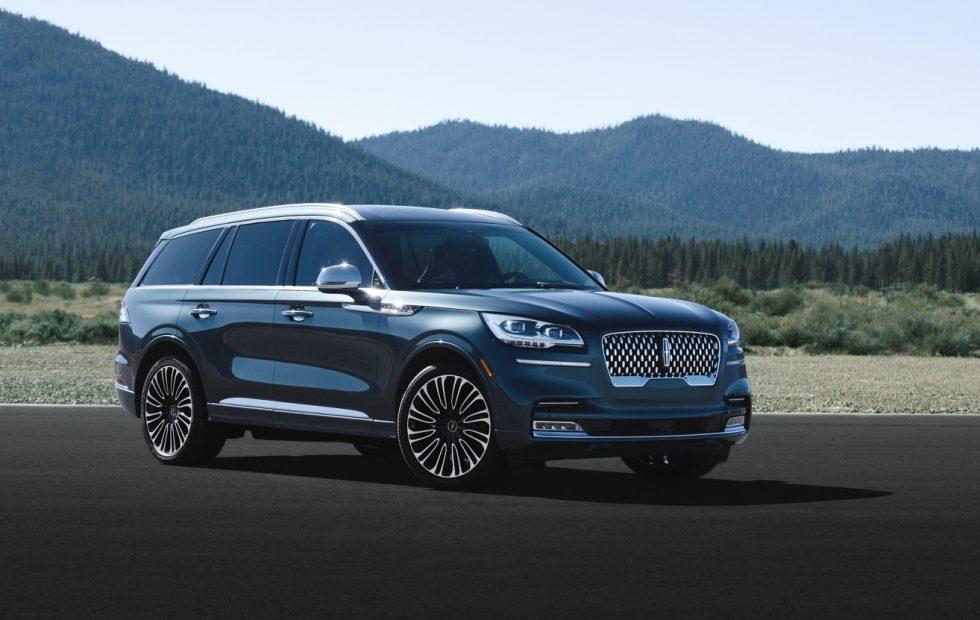
Lincoln Aviator’s Air Glide Adaptive Suspension knows when it’ll hit potholes

Lincoln is set to release its all-new three-row 2020 Aviator this summer. It will become the fifth SUV in Lincoln’s lineup and the second-most expensive of the bunch, behind its Navigator big brother. One of the vehicle’s stand-out features is the available Adaptive Suspension with Road Preview, which adjusts to the road using cameras and sensors. Lincoln detailed the modern tech in a new video seen above. 

Selling vehicles in the luxury space requires various impressive characteristics, but above all, the most important might be the ride. Engineers design everything to maintain a comfortable experience, and today, the preparation for rough roads doesn’t stop in the development and production facilities. Modern technology allows cars adapt to the surfaces they’re driving on rather than applying a one-size-fits-all setup to all roads. 

The 2020 Lincoln Aviator will use Air Glide Suspension and Adaptive Suspension with Road Preview in attempts to provide the best ride possible. The Air Glide Suspension uses air springs instead of coil springs, and the air bladders will stiffen or soften based on the road conditions, driving speed, and drive mode. 

The Adaptive Suspension uses 12 sensors placed throughout the vehicle to monitor all sorts of vehicle conditions. It collects information on body motion, steering, acceleration, and braking and adjusts accordingly. Lincoln says the system reads the road about 500 times per second and can change settings up to 100 times per second. For example, the Aviator will know when a pothole is incoming and will stiffen the shock absorber to reduce the harshness of the hit. Road Preview, which uses a built-in forward-facing camera near the rearview mirror, helps understand the road up to 50 feet ahead and aids in informing the adaptive suspension of incoming bumps between two to eight inches. 

Buyers interested in the Aviator will be able to choose between two powertrains: a twin-turbocharged 3.0-liter V6 or a twin-turbocharged 3.0-liter V6 hybrid. The Standard model starts at $52,840, while the Black Label Grand Touring starts at $89,540.

Acura prices hand-built TLX PMC Edition at $50,945

Acura unveiled the 2020 TLX PMC Edition sedan at this year’s New York Auto Show along with the MDX PMC Edition Prototype. Both models adopt the same hand-finished build processes employed at Honda’s Performance Manufacturing Center to create the Acura NSX. In the case of the sedan, that means a body-in-white pulled off the line at Honda’s Marysville plant so that PMC technicians can install the interior, drivetrain, suspension, wiring harnesses, and electronics. After that, the TLX PMC undergoes the same quality control checks conducted on the NSX, including a dyno run and water leak test. The price: $50,945, which includes $1,995 for handling and destination.

In addition to the craftsmanship, the sedan combines two options that normally cannot be combined, the A-Spec and Advance Packages. They install the 290-horsepower 3.5-liter V6 and Super Handling All-Wheel Drive, the A-Spec’s stiffer dampers and quicker steering ratio, plus sharper exterior components like the restyled bumper, larger exhaust tips, and gloss black roof panel. Comfort features include heated and ventilated front sport seats, leather and Alcantara seating, black leather steering wheel, black headliner, surround-view camera, heated rear seats, and Acura’s 10-speaker ELS Studio audio system. Cosmetic go-fast changes are seen in the red instrument cluster and red accent lighting.

The whole package gets drenched in Valencia Red Pearl paint formerly exclusive to the NSX but making one special appearance here, the crimson infused with mica, metal flake and “nano pigments” for keener color. Black, 10-spoke, 19-inch wheels anchor the sedan to the road.

The U.S. will see just 360 examples of the TLX PMC, each one numbered with a plaque on the dash. Deliveries to dealers begin this month — each sedan transported in a single-car carrier. The entire production run is scheduled to take six months, after which we’re told Acura will begin working on the MDX PMC.

Acura

2020 Hyundai Sonata Hybrid revealed with solar roof, new transmission

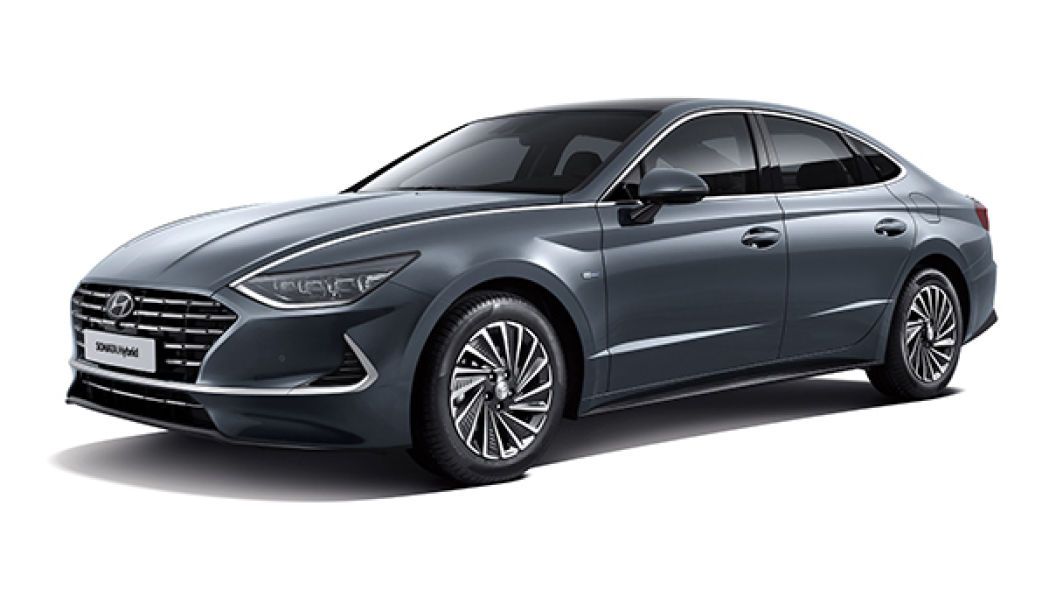
The 2020 Hyundai Sonata Hybrid has just been revealed. Visually it’s not particularly distinct from its gas-powered siblings, but it does have some unique functional features.

From the outside, the only major indicators that this is the Sonata Hybrid are slightly different grille slats up front, aerodynamic wheels, badges and a very small trunk lid spoiler. At least, these are the differences between the global market Sonata and Sonata Hybrid. The U.S. market Sonata has a more aggressive front fascia. Assuming that the American Sonata Hybrid retains its global design, it will be more distinct from the regular model.

One other visual distinction on the electrified Sonata is the available solar roof. This is a feature that has been implemented on other hybrids such as the Toyota Prius, but this is the first time a solar roof has been available on the Sonata Hybrid. Hyundai estimates that with six hours of charging in the sunlight, Sonata Hybrid owners should have just over 800 extra miles of electric driving per year. Or about two-plus extra miles of electric driving each day.

The Sonata Hybrid seems to have the same 151-horsepower 2.0-liter naturally aspirated inline-four and 38-kW electric motor as before. Combined, they produce a total of 193 horsepower. The powertrain gets an updated six-speed automatic transmission, though. Hyundai has implemented what it calls Active Shift Control. It seems to basically be rev-matching for a hybrid, as it will use the electric motor to match the rotational speed of both the powertrain and the transmission for faster, smoother shifts. Hyundai says shift times will drop from 500 milliseconds to 350.

Fuel-economy numbers for the U.S. haven’t been announced, but we do have numbers for the South Korean model. Combined fuel economy is estimated at 47 mpg. The U.S. market 2019 Hyundai Sonata Hybrid tops out at 42 mpg combined. That’s a solid improvement, but remember, the number for the 2020 model could be less than 47 mpg, since the U.S. fuel-economy test loop is different from the Korean one.

Pricing and availability haven’t been announced yet, but the Sonata Hybrid should be available shortly after the regular Sonata launches this fall. It will also probably be priced around $25,000 like the current model.

Symptoms of a bad or failing canister purge solenoid

The canister purge solenoid is an emissions control component that is commonly found on the evaporative emissions (EVAP) system of many modern vehicles. Modern vehicles are equipped with an (EVAP) system that works to reduce the evaporative emissions pollution that can come from the vehicle’s fuel, which is released in the form of vapors. The EVAP system traps and recirculates this vapor so that it can be used as fuel for the engine, and prevented from polluting the environment.

The canister purge solenoid is the component in the EVAP system that is responsible for “purging” the EVAP system, by acting as the switch that allows the vapor into the engine. When the purge solenoid fails, it will cause problems for the EVAP system, which will affect the vehicle’s emissions output levels. Usually, a bad purge solenoid will display a few symptoms that can alert the driver that a potential problem has occurred and needs to be serviced.

1. Rough idle

One of the first symptoms that a faulty canister purge valve may produce is a rough idle. If the canister purge valve fails and sticks open, it will create a vacuum leak that can affect the engine idle speed and quality. A vacuum leak can also be created if the purge solenoid, or any of the hoses that may be attached to it break or become damaged.

2. Difficulty starting

Another symptom commonly associated with a bad canister purge solenoid is difficult starting. Again, if a vacuum leak is created as a result of any problem with the canister purge solenoid, that may cause the vehicle to have difficulty starting reliably. A vacuum leak will allow unmetered air into the engine, which can disturb the air fuel ratio and cause performance issues.

3. Check Engine Light comes on

A defective canister purge solenoid may also set off the Check Engine Light. If the computer detects any problem with the purge solenoid circuit or signal, it will set off the Check Engine Light to alert the driver that a problem has occurred. A Check Engine Light can also be caused by a wide variety of other problems, so it is recommended to have the vehicle scanned for trouble codes to be sure.

The canister purge solenoid is an emissions component and is therefore an important piece in making sure that the vehicle meets emission requirements. For this reason, if you suspect that your canister purge solenoid may be having a problem, have the vehicle diagnosed by a professional technician, such as one from YourMechanic, to determine if the canister purge solenoid or vacuum hose needs to be replaced.

2019 VW Golf Sportwagen, Alltrack dead at the end of this year

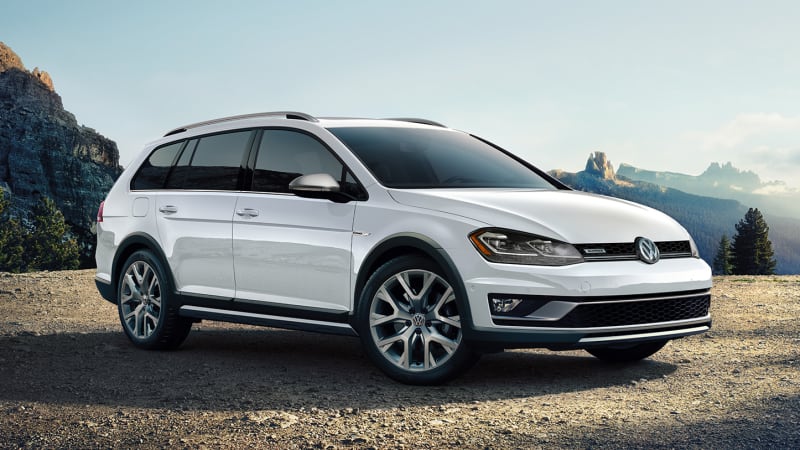
Today is a bad day for wagon fans. The 2019 Volkswagen Golf Sportwagen and Golf Alltrack are both being discontinued for the U.S. market. Production of Golf wagons is ending at the Puebla, Mexico, factory where U.S. Sportwagens and Alltracks are built, and after the new Golf is launched, the factory will only produce normal Golfs. The Alltrack will survive the longest, with production lasting through December, and a VWrepresentative says there will be enough production for a 2020 model year of the lifted Golf.

While the end of this generation of Golf is convenient for eliminating the wagon models for the U.S., the reason for their demise is continued consumer demand for crossovers. Volkswagen noted that over half its U.S. sales come from crossovers now. In response, the company is adding more crossovers including the Atlas Cross Sport, a shorter Atlas to be revealed this year; the ID. Crozz electric crossover, which launches next year; and the Tarek, a crossover that will slot below the Tiguan. The Tarek will take advantage of production space left at Puebla by another recently deceased VW car, the Beetle.

While VW wagons are on the way out, there’s still room for a return. VW’s CEO Scott Keogh alluded to this in a statement saying, “As the ID. Buzz concept demonstrates, the flexibility of our EV platform gives us the ability to revive body styles of the past, so anything is possible.” But obviously in the short term, crossovers are the future.